

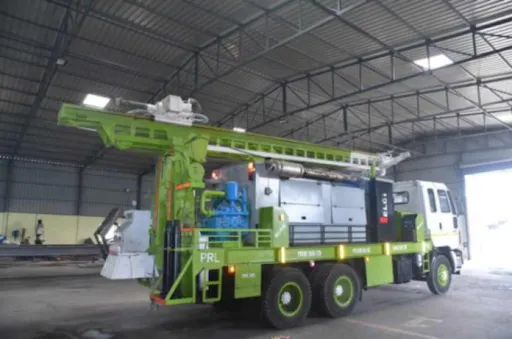
Drilling projects rarely take place under identical conditions. Some require work in remote locations with limited infrastructure, while others involve confined sites where moving large machinery can be difficult. Contractors must therefore consider not only the performance of their equipment but also how easily it can be transported, positioned and prepared for operation. Choosing machinery that suits the working environment can help reduce setup difficulties and support more efficient project planning.
For businesses comparing a portable drill rig for sale, mobility is an important starting point, but it should not be the only consideration. Drilling depth, ground conditions, power requirements, tooling compatibility and maintenance needs all influence whether a particular unit is suitable for the intended application. A practical purchasing decision balances portability with the performance and reliability required to complete the work safely.
Why Portability Matters in Drilling Projects
Portable drilling equipment can be useful when projects involve several sites or locations with restricted access. Traditional large-scale machinery may require substantial transport arrangements, specialised lifting equipment or extensive preparation before it can be positioned. A portable unit can simplify some of these logistical demands, depending on its dimensions, weight and configuration.
Match the Equipment to the Ground Conditions
Ground composition plays a major role in determining which drilling system will perform effectively. Soil, gravel, fractured rock and harder geological formations can require different drilling methods, tooling and operating characteristics. A rig suitable for relatively soft ground may not deliver the required performance in more demanding conditions, even if it is easy to transport and install.
Evaluate Size, Weight and Transport Requirements
The physical dimensions of a portable rig affect how it reaches the worksite and how easily it can be positioned. Equipment intended for remote or confined locations may need to fit through narrow access routes, operate within limited working areas or be transported using a particular vehicle. The weight of the complete system, including accessories and supporting components, should therefore be considered alongside the dimensions of the main unit. When assessing a portable drill rig for sale, request clear information about transport weight, operating dimensions and any disassembly or assembly requirements.
Consider Power Sources and Site Infrastructure
The availability of power can influence which drilling system is practical for a project. Depending on the design, equipment may use electric, hydraulic, pneumatic or engine-driven systems. Each arrangement has different requirements for power supply, fuel, ventilation, maintenance and supporting infrastructure. A rig that performs well in a fully equipped facility may be less suitable for a remote location where electricity or other resources are limited.
Compare Performance Across Available Models
Portable equipment is available in different configurations, and machines that appear similar may offer substantially different capabilities. Buyers should compare specifications such as rated drilling depth, feed force, rotation speed, torque and compatible tooling where these figures are relevant to the application. These measures should be assessed together because no single specification provides a complete picture of a rig’s suitability. The right choice depends on the work that needs to be completed, not simply on selecting the machine with the highest advertised performance.
Understand the Different Types of Drilling Rigs
The term drilling rigs covers a broad range of equipment designed for different purposes, scales and geological conditions. Some systems are built for large industrial operations, while others are intended for compact investigations, specialised sampling or work in areas with restricted access. Their designs can differ in mounting arrangements, drive systems, tooling compatibility and the level of infrastructure required for operation. Portable equipment should therefore be compared within the context of its intended application.
Assess Maintenance and Parts Availability
Regular maintenance is essential for keeping drilling machinery in serviceable condition. Portable equipment may be used in dusty, wet or otherwise challenging environments, making inspection and cleaning particularly important. Hydraulic connections, moving components, drill rods, couplings and other application-specific parts should be checked according to the manufacturer’s guidance. The maintenance schedule will depend on the equipment design and the conditions in which it operates. Before purchasing, ask about service intervals, common wear components and the availability of replacement parts.
Prioritise Site Safety and Operator Training
A portable rig still requires careful site preparation and trained operators. Before work begins, assess ground stability, access routes, overhead obstructions and nearby utilities. The working area should provide sufficient space for the equipment, its operator and any supporting machinery. Relevant safety guards, emergency controls and operating components should be inspected before use, following the manufacturer’s instructions and applicable requirements.
Conclusion
Selecting portable drilling equipment involves balancing mobility, technical capability, operating costs and long-term serviceability. Buyers who define their project requirements before comparing models are better placed to identify equipment that can be transported efficiently and perform the necessary work. Reviewing power requirements, tooling compatibility, maintenance needs and safety considerations also helps establish a more complete picture of the investment.
For businesses exploring available equipment, Prime Rigs is one provider to consider when comparing drilling machinery and supplier information. Reviewing the technical specifications, confirming the intended applications and clarifying support arrangements can help contractors make an informed choice that reflects their project needs and operational priorities.